 Green logo_transparent background_blackfont.webp)
Wakaf
How is wakaf managed in Singapore? Your questions answered.
27 November 2026
Wakaf, also known as waqf, is an Islamic endowment in which assets are permanently dedicated for religious, pious or charitable purposes. In Singapore, wakaf has supported mosques, madrasah, families and charitable causes across generations. Under the Administration of Muslim Law Act 1966 (AMLA), MUIS is responsible for overseeing the administration of wakaf in Singapore, safeguarding wakaf assets and ensuring that the income generated continues to benefit the intended people and causes.

The article at a glance:
What is wakaf and how does it work?
Who benefits from wakaf?
What are the types of wakaf?
Who owns and manages wakaf properties in Singapore?
How is wakaf income generated and disbursed?
Does MUIS receive the income generated from wakaf properties?
Why are wakaf properties rented at market rates?
If wakaf is permanent, can its properties be redeveloped or replaced?
Can wakaf be made through cash contributions today?
What is wakaf and how does it work?
Wakaf is the permanent dedication of an asset for religious, pious or charitable purposes recognised under Muslim law.
A wakaf has four essential elements:
1. Wakif (donor)
The person who establishes the wakaf.
2. Sighah (declaration)
The wakif's expressed intention establishing the wakaf.
3. Mauquf (asset)
The property, money or other asset dedicated as wakaf.
4. Mauquf 'alaih (beneficiaries)
The people or causes intended to benefit from the wakaf.
Once established, a wakaf is intended to be permanent and cannot be revoked by the wakif. The wakaf asset or its capital must be preserved, while the net income it generates can be distributed to its beneficiaries.
For example, a wakif may dedicate a property and specify that its net rental income should support a mosque or madrasah. The wakif's wishes are recorded in a wakaf deed, which guides how the asset and its income are managed.
Under Islamic religious principles, a wakaf asset is considered dedicated to Allah s.w.t. It no longer belongs to the wakif or its beneficiaries and cannot be treated as personal property. MUIS's irsyad, or religious guidance, issued in September 2023, further explains the religious principles governing wakaf, including the responsibility of those entrusted with managing wakaf assets to safeguard them and ensure that their benefits reach the intended beneficiaries.
This form of ongoing and recurring charity is known as Sadaqah Jariyah. You will continue receiving rewards and blessings even after you have passed on, as long as the asset that you have donated continues to exist.
Read MUIS's Irsyad: Religious View on MUIS Creating a Wakaf
Who benefits from wakaf?
Wakaf beneficiaries are the individuals, organisations or causes intended to receive benefits from the endowment.

Depending on the terms of the wakaf deed, these beneficiaries may include:
Mosques and madrasahs
Family members or descendants of the wakif
Community organisations
Other religious or charitable causes
The wakif's wishes determine how the net income is distributed, subject to the rules governing wakaf.
For instance, if a wakif specifies that the net income from a property should support a particular mosque, the net income available for distribution must be used for that purpose.
This is an important principle of wakaf: the asset is preserved, while its income continues benefiting the intended recipients.
What are the types of wakaf?
While wakaf can take various forms, the common types in the Singapore context are:
1. Traditional wakaf
Traditional wakaf involves the endowment of tangible assets such as land, buildings, or other physical properties for charitable purposes, usually in perpetuity. These assets generate income or benefits that are then used to support various social, religious, or educational causes.
2. Cash wakaf
Cash wakaf involves the donation of money or financial assets for charitable purposes. Instead of donating physical assets, individuals or organisations contribute cash or financial instruments, such as stocks or bonds, to establish a wakaf fund. The income generated from these funds is then used to support designated beneficiaries or projects.
3. Multi-asset wakaf
Multi-asset wakaf refers to endowments that include a combination of both tangible assets (such as land or buildings) and financial assets (such as cash). This type of wakaf provides flexibility in terms of diversifying the sources of income and potentially maximising the impact of the endowment.
Learn more about the types of wakaf (opens in new tab)
Who owns and manages wakaf properties in Singapore?
If you dedicate an asset as wakaf, you are the wakif.
The person or entity entrusted with managing your wakaf assets is the mutawalli, also referred to as the trustee.
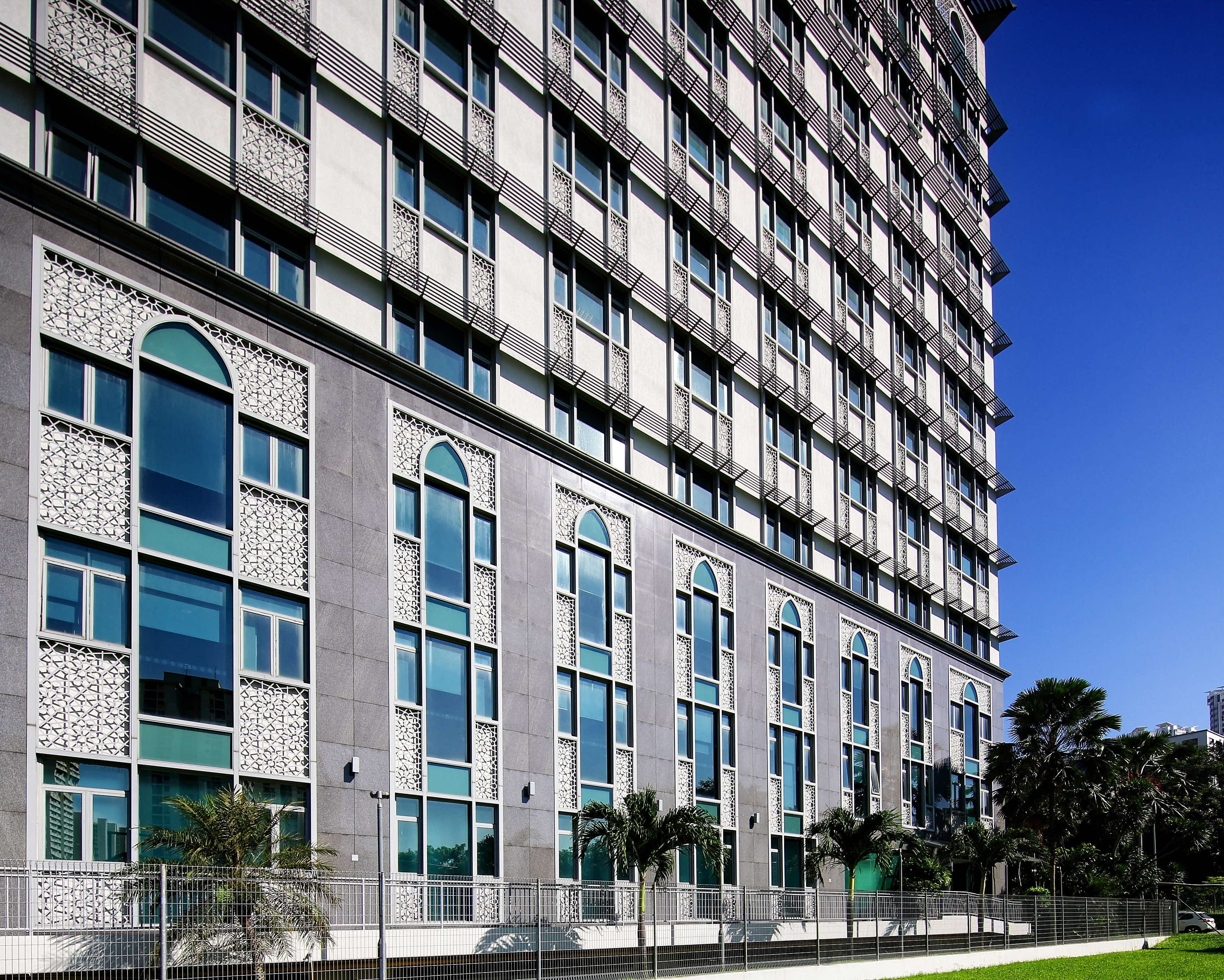
Under Section 59 of AMLA, legal ownership of wakaf assets in Singapore is vested in MUIS. This does not mean that MUIS owns the assets in the same way that an individual or business owns private property. Rather, MUIS is entrusted with their legal administration and oversight.
Wakaf properties may be managed by MUIS through its wholly owned subsidiary, Warees Investments Pte Ltd, or by appointed mutawallis.
MUIS is also responsible for overseeing appointed mutawallis, including ensuring that they meet the relevant requirements for managing wakaf.
This arrangement is supported by Islamic religious principles. MUIS's 2023 irsyad explains that wakaf assets may be entrusted to an institution for their proper care and management. The institution is responsible for safeguarding the assets, making prudent investment decisions and distributing income to the intended beneficiaries.
In other words, MUIS is responsible for safeguarding wakaf assets, while the benefits are meant for the people and causes identified by the wakif.
Read MUIS's Irsyad on the religious basis for wakaf administration
How is wakaf income generated and disbursed?
Many wakaf assets in Singapore are properties that generate rental income.
The income serves two primary purposes: keeping the wakaf property in good condition so that it can continue generating returns, and supporting the beneficiaries identified by the wakif.
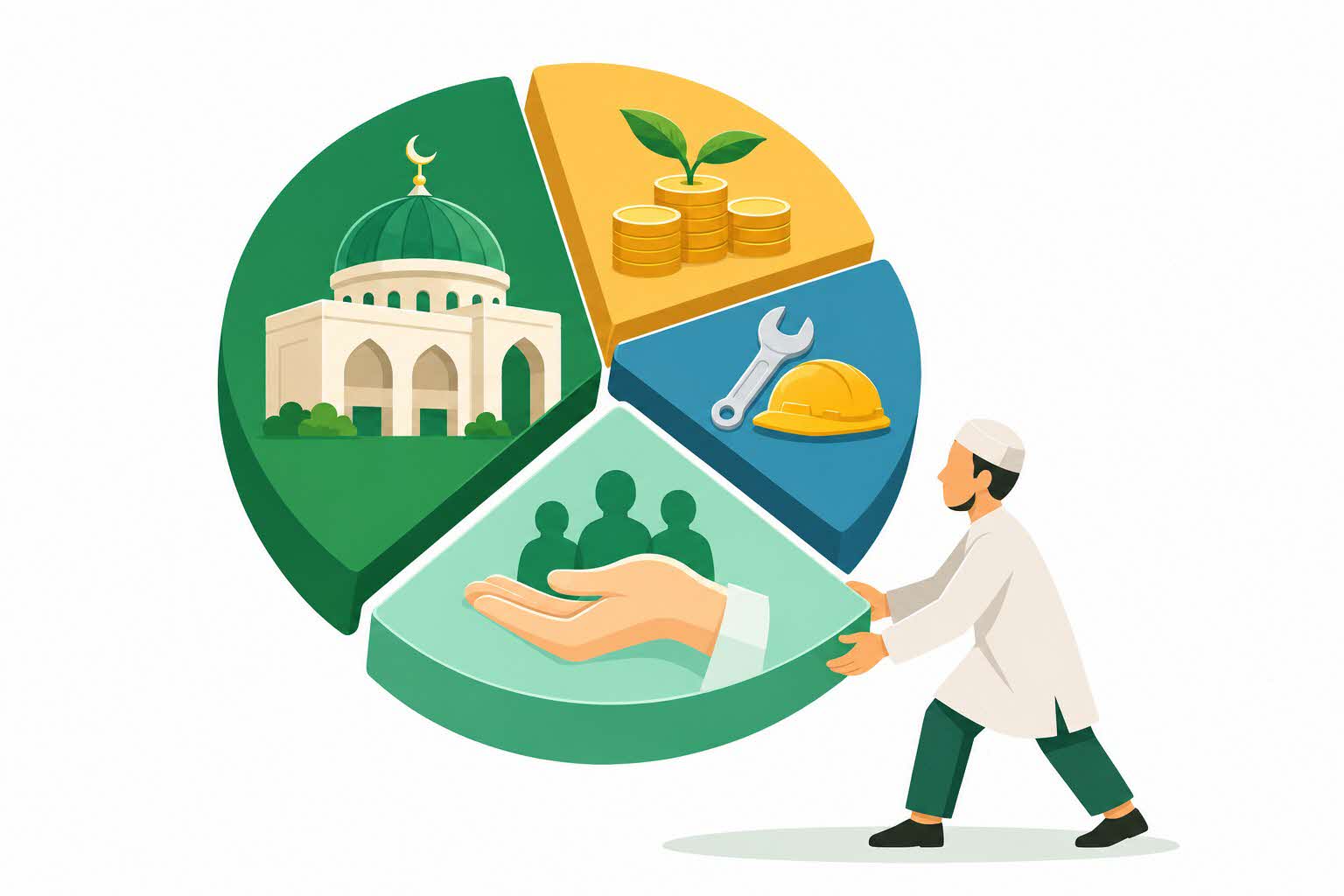
For a property-based wakaf, rental income is generally managed and distributed through the following:
1. Generating income
The wakaf property is rented out to generate income.
2. Maintaining the asset
Part of the income is used to pay for maintenance, repairs, property management and other necessary expenses.
3. Preserving long-term sustainability
Where required, funds are set aside for future maintenance or other expenses to ensure the property can continue generating income.
4. Distributing income
The amount available for distribution is channelled to the beneficiaries based on the wakif's wishes and the rules governing wakaf.
These arrangements help ensure that wakaf properties remain in good condition and continue generating income for their beneficiaries over time.
In FY2025 (opens in new tab) total wakaf disbursements in Singapore amounted to $11.14 million, comprising:
$8.48 million from MUIS-managed wakafs.
$2.66 million from wakafs managed by appointed mutawallis.
These disbursements supported beneficiaries including mosques, madrasahs, family members, community causes and charitable organisations.
View MUIS's published wakaf disbursement figures
Does MUIS receive the income generated from wakaf properties?
MUIS's responsibility for administering wakaf does not mean that the income generated from wakaf properties belongs to MUIS. The income is intended to benefit the beneficiaries and causes specified by the wakif.
Income from wakaf properties is first used to cover the necessary costs of maintaining and managing these assets to ensure their long-term sustainability. The remaining net income is then distributed to the intended beneficiaries in accordance with the wakif’s intentions.
MUIS’s role is to ensure that wakaf assets and their income are properly managed and that the benefits reach the people and causes for whom the wakaf was established in the first place.
Why are wakaf properties rented at market rates?
Wakaf properties are intended to generate sustainable income for their beneficiaries. This means that those responsible for managing the properties must consider prevailing market conditions when setting rental rates.
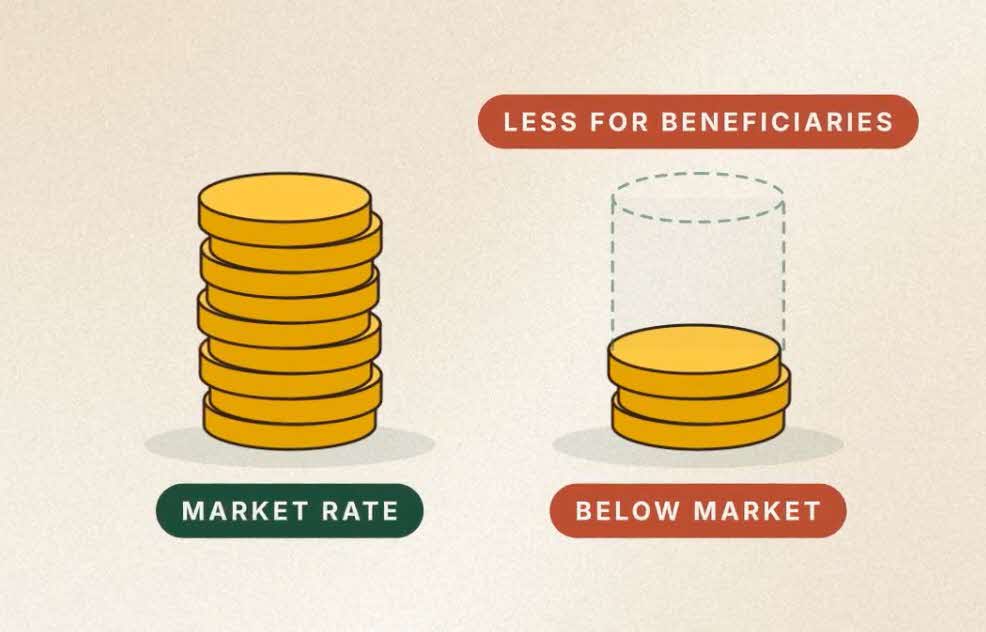
Charging rents substantially below market rates could reduce the income available to beneficiaries, including mosques, madrasahs, families and charitable organisations.
For example, if a wakaf property is intended to support a madrasah, consistently charging below-market rent could mean less income available to support that madrasah.
Setting rental rates in line with market conditions is therefore part of the responsibility to safeguard the interests of wakaf beneficiaries.
At the same time, MUIS recognises the challenges faced by businesses, including rising operating costs and changing market conditions.
Where tenants face financial difficulties, MUIS may engage them through Warees Investments to better understand their circumstances and explore possible arrangements, such as repayment plans.
This approach seeks to balance the responsibility to generate sustainable income for wakaf beneficiaries with consideration for the circumstances of tenants.
Read MUIS's clarification on the management of wakaf properties
If wakaf is permanent, can its properties be redeveloped or replaced?
Wakaf is intended to provide lasting benefits to its beneficiaries. However, some properties may become less productive over time or require redevelopment to remain financially sustainable.
There are different ways to improve the value and income-generating potential of wakaf assets.
Redevelopment of existing properties
Through the Wakaf Revitalisation Scheme (WRS), MUIS works with Warees Investments and relevant mutawallis to identify properties that can be enhanced or redeveloped. These projects aim to improve the long-term value of wakaf assets and the income they can generate for beneficiaries, while taking into account the heritage and character of the properties.
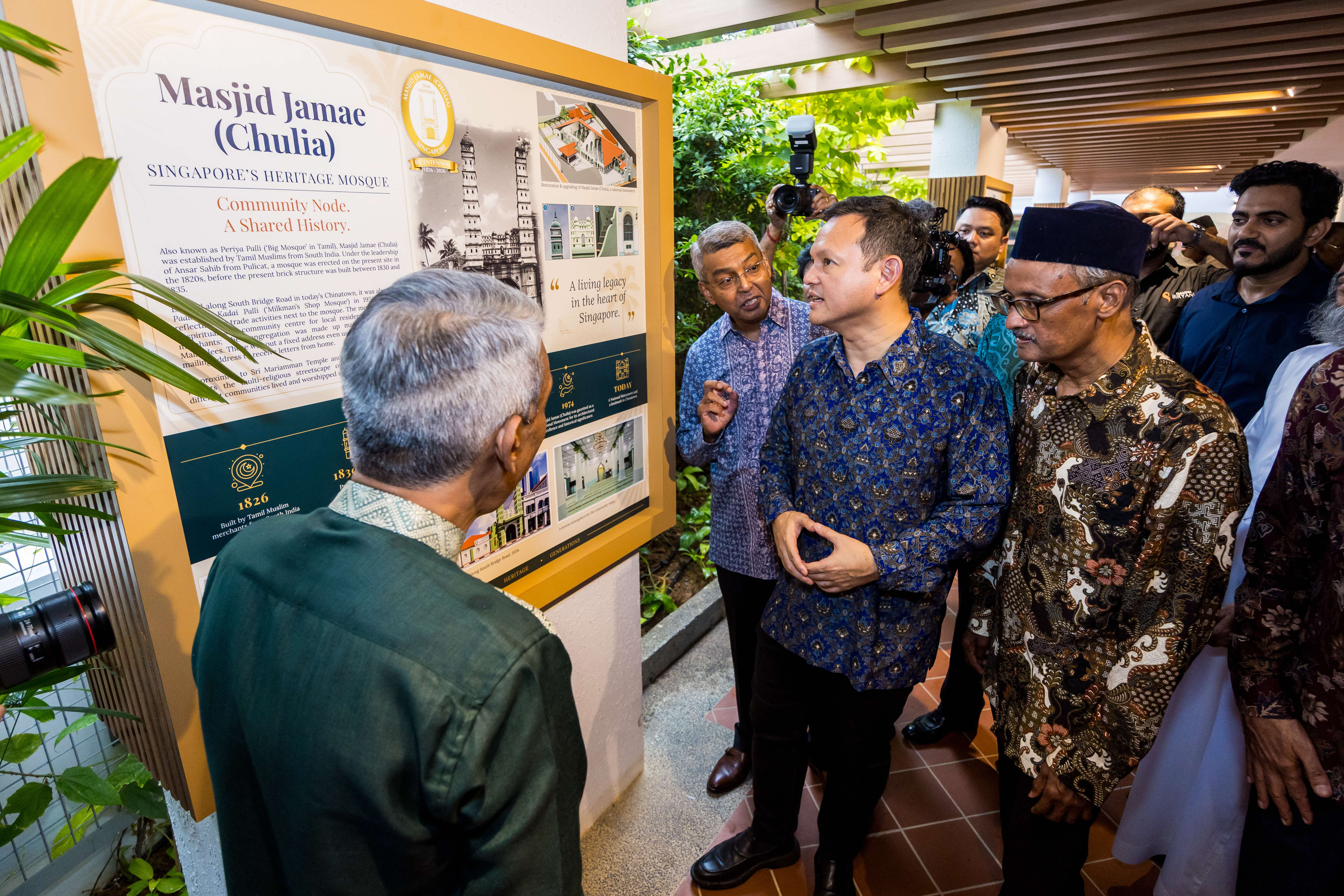
One example is Jamae Chulia Heritage, a development on wakaf land in Chinatown that officially opened in October 2026. The development preserves four pre-war shophouses along Pagoda Street and incorporates a new building along Mosque Street, with serviced residences, retail and dining spaces.
The redevelopment aims to strengthen the long-term sustainability of Wakaf Jamae, which supports three longstanding Indian Muslim institutions: Jamae Chulia Mosque, Al-Abrar Mosque and Nagore Dargah Indian Muslim Heritage Centre.
Replacing wakaf assets through istibdal
In some circumstances, a wakaf property may no longer generate sufficient income to fulfil the wakif's intentions.
In this case, istibdal, or the replacement of a wakaf asset, may be considered to ensure that the wakaf continues to fulfil its intended purpose.
A question arises: is this allowed, and does replacing a wakaf asset affect the original intention of the wakif?
The Fatwa Committee addressed this issue in a ruling issued on 28 October 1985.
The fatwa permits a wakaf property to be sold and replaced with another asset to generate greater returns, provided that the wakaf continues to fulfil its intended charitable purpose.
This means that while the original property may be replaced under the relevant conditions, the wakaf itself continues. Through istibdal, wakaf assets can be managed in response to changing circumstances while preserving the original purpose of the endowment.
Read the MUIS Fatwa on Wakaf Properties
Learn more about the Wakaf Revitalisation Scheme and istibdal
Can wakaf be made through cash contributions today?
Wakaf is not limited to land and buildings. It may also take the form of cash and other financial assets.
For cash wakaf, contributions are pooled and invested, with the capital preserved and the returns used to support the intended beneficiaries.
In Singapore, Wakaf Masyarakat Singapura (WMS) was established to provide a long-term source of funding for the evolving needs of the Muslim community.
WMS is a multi-asset community wakaf that allows individuals to contribute without having to own a property.
Contributions to WMS are pooled and invested to generate returns for three broad areas:
Mosques: Supporting their long-term infrastructure and sustainability needs.
Education: Supporting religious education and the development of future religious leaders, through the Singapore College of Islamic Studies and madrasah.
Community: Supporting initiatives that benefit the Muslim community, including during times of need.
Unlike wakaf arrangements where the wakif may identify specific beneficiaries, WMS is a community endowment whose objectives and beneficiaries are determined through its established governance arrangements.
Members of the public may contribute through cash donations or make arrangements for future contributions through Islamic legacy planning.
WMS provides another way for individuals to establish a lasting contribution towards the community's religious and charitable needs.
Learn more about Wakaf Masyarakat Singapura (opens in new tab)